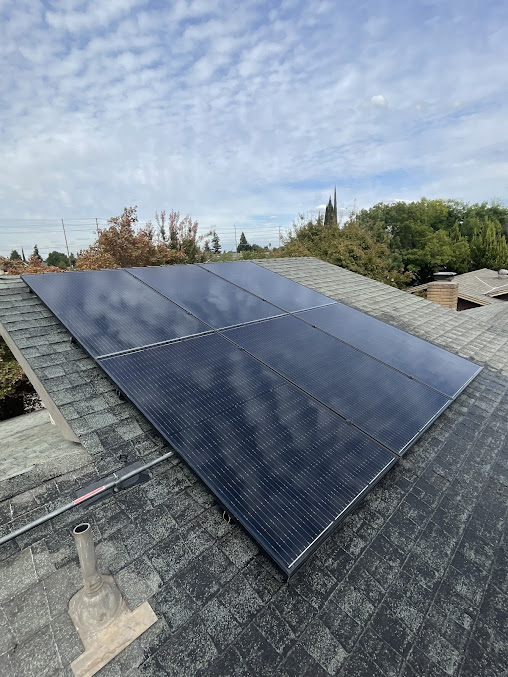
Solar panels need clear access to sunlight, but Central Valley systems regularly collect dust, pollen, ash, bird droppings, and agricultural residue. Cleaning can remove that surface buildup, although the exact performance change depends on the system, level of soiling, weather, panel angle, and equipment condition.
Why Central Valley Panels Get Dirty
Long dry periods allow dust to remain on the glass, while nearby orchards, fields, roads, trees, and birds can add heavier localized buildup. Light rain may move some loose dust but can also leave spotting or streaks.
Will Cleaning Increase Energy Production?
Removing significant soiling can help panels receive more sunlight, but no honest contractor should promise one universal percentage increase. Compare your system monitoring before and after cleaning while considering weather, season, shade, and equipment performance.
Why Purified Water Matters
Mineral-heavy tap water can dry with spots on the panel glass. A professional pure-water system and non-abrasive brush help lift buildup and rinse without leaving the same mineral residue behind.
How Often Should Panels Be Cleaned?
Many Modesto-area properties begin with one or two cleanings per year, then adjust based on monitoring data and how quickly buildup returns. Systems near agriculture, heavy bird activity, construction, or dusty roads may need more frequent attention.
Safety and Warranty Considerations
Roof access, electrical components, hot glass, fragile tiles, and manufacturer guidance should all be considered. High Shine uses a panel-safe, purified-water process for residential and commercial solar arrays.